
Abijith Barthur | 0
Scogen BioSwirl Media - High BOD removal efficiency
11 Aug, 2020
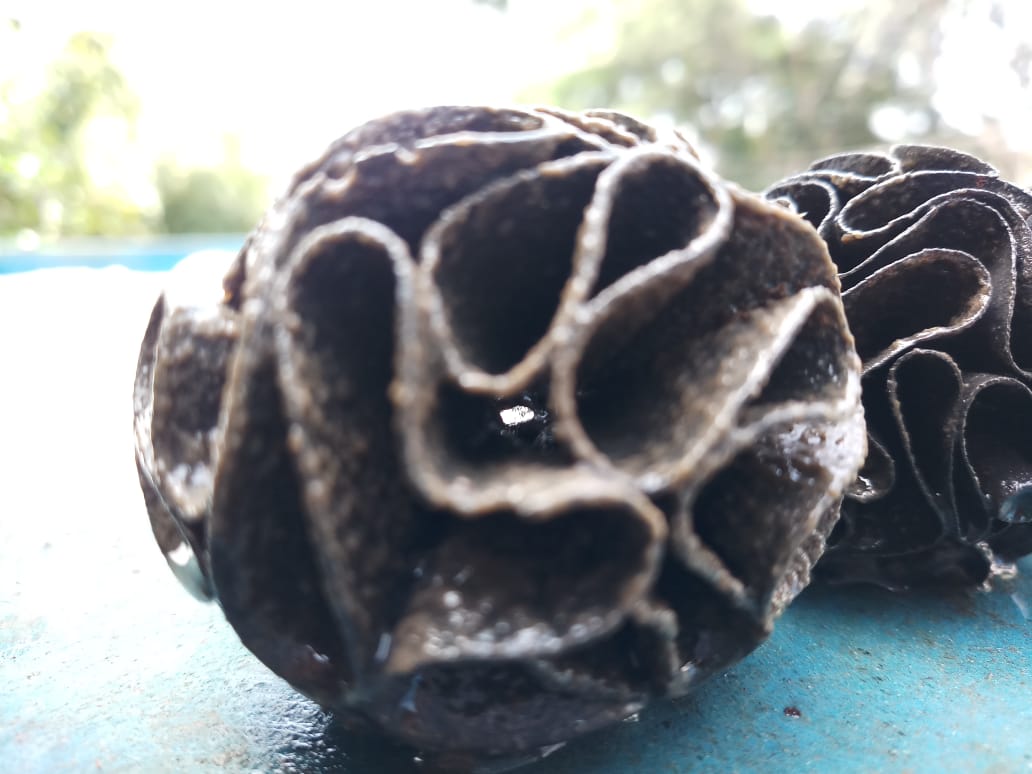
Attached growth processes have a proven track record of replacing suspended growth processes for biological organic load removal. In this specific field of attached growth processes, Scogen’s Bioswirl media is aiming to rejuvenate the industry by offering lower media quantity to maintain similar organic load removal efficiencies.
4 main factors that effects the performance of any media with attached growth process
- Cell density
- Cell count
- Cell viability
- Sloughing rate
When the BioSwirl media was analysed against regular ring-like / wheel-like media, the following parameters were observed;
- 31% to 76% higher cell density
- 2 – 3 times in cell count
- 7% – 7.5% increase in cell viability
- <50% reduced sloughing rate for the same volume / volume of fill ratio
As pointed out by Confer & Logan (1998), hydrolysis rate is higher on the biofilm surface than on the sloughed biofilm. With Scogen BioSwirl media’s uncountable “S” shaped windings’ hydrophilic surface with very low sloughing rates, hydrolysis is maximum at the surface as compared with any other media.
BioSwirls have two major advantages, i.e very high void-volume and swirling impact. Swirling impact can be studied as buoyancy-non buoyancy cycle with air bubbles clinging on to the surface and releasing from it. These benefits make BioSwirls one of the best matrices for biodegradation.
Wheel-like and ring-like media with a specific gravity of around 0.98 are proven to have a high sloughing rate. Higher media volume fraction may ensure less biomass is sloughed off from the biofilm as a whole as inferred from Hadi Abbasi & Charles Elysee et al. (2017). Therefore, the volume of fill of any regular wheel-like media with sp. gravity of .98 is anywhere from 30% to 50%.
Taking into account the 4 main factors that determines the organic loading of Scogen’s BioSwirl media, Scogen can accurately calculate the quantity of BioSwirl media for your specific required.
Do contact Scogen for further queries.
Publisher: Abijith Barthur | 0